
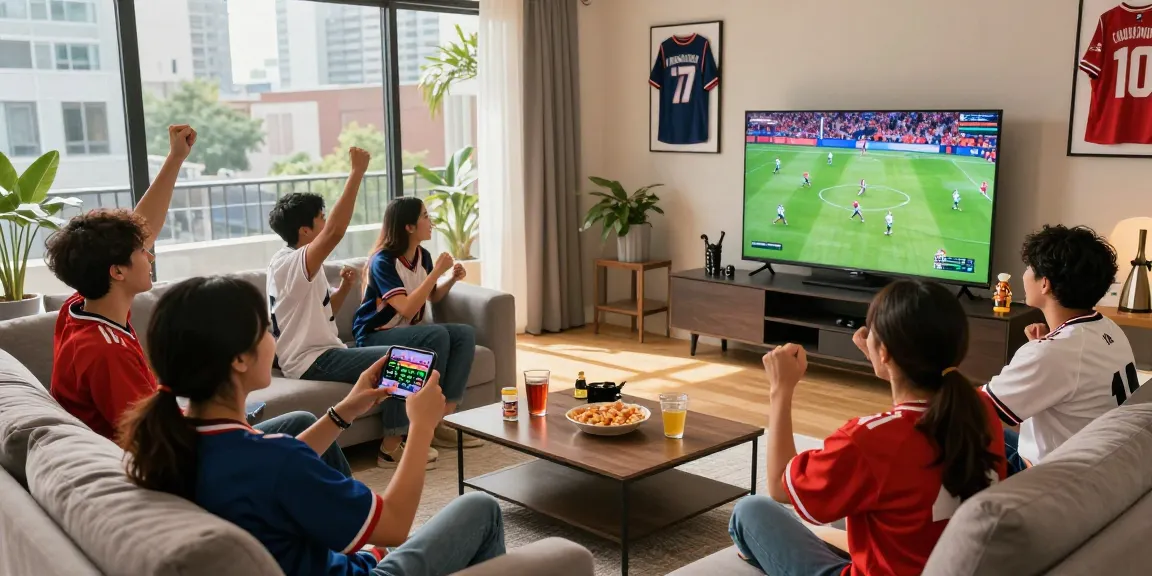
The Rise of live sports in Digital Viewing
In recent years, the landscape of sports consumption has dramatically changed, primarily driven by digital technology and the proliferation of mobile devices. Fans are no longer bound by traditional broadcast schedules or geographical limitations. Instead, they can watch their favorite sports live, anytime, anywhere. This significant shift underscores the importance of platforms dedicated to live sports, allowing users to access real-time match coverage, highlights, and updates right on their mobile devices. As we look toward 2026, understanding this evolution is crucial for both sports organizations and consumers.
Understanding the Shift Towards Streaming Services
The rise of streaming services has been a game-changer for sports viewing. As traditional cable subscriptions decline, more fans are turning to platforms like Netflix, Hulu, and ESPN+ for their content consumption. These platforms offer flexibility, allowing viewers to choose when and how they watch. Moreover, the accessibility of streaming services has broadened the audience, reaching demographics that were previously underserved by conventional media.
For instance, global streaming giants like Amazon Prime Video and Apple TV+ have started to secure exclusive broadcasting rights for significant sporting events, creating a competitive environment that benefits consumers. This shift not only enhances the viewing experience but also brings forth new revenue streams for sports organizations and leagues through partnerships.
Impact of Mobile Accessibility on Viewership
Mobile accessibility is revolutionizing how fans engage with live sports. With the majority of consumers now using smartphones for their daily media consumption, it’s no surprise that mobile broadcasting has surged. Apps like ESPN, Bleacher Report, and dedicated sports streaming services have made it possible to watch live events on the go, seamlessly integrating into the fast-paced lifestyle of modern audiences.
This convenience factor has resulted in higher viewership numbers, particularly among younger demographics who prefer consuming content on their devices rather than traditional television. Furthermore, mobile accessibility has led to an increase in spontaneous viewing, with fans tuning into games at their leisure, increasing overall engagement and interaction with the sports they love.
Changing Viewer Demographics and Preferences
Sports viewership is no longer just a male-dominated arena. With more women and younger audiences engaging with live sports than ever before, broadcasters are adapting their content to suit these diverse demographics. This evolution has led to the introduction of women’s leagues gaining traction and increased coverage of emerging sports.
As preferences change, understanding and catering to these various audiences becomes imperative for content creators. This includes leveraging data analytics to optimize content delivery, ensuring that everyone feels represented and entertained during major sporting events.
Enhanced Engagement: The Role of Social Media
Social media plays a pivotal role in enhancing sports engagement. Platforms like Twitter, Instagram, and TikTok have become essential tools for fans to interact with their favorite sports teams and players. These platforms facilitate real-time discussions, allow fans to share their experiences, and keep them updated on the latest happenings in their preferred sports.
Connecting Fans Through Real-Time Interaction
Real-time interactions during live events create an electric atmosphere that enhances the overall experience for fans. Sports teams and leagues utilize social media to engage with their audience, providing instant updates, behind-the-scenes content, and fan polls that encourage participation. This fosters a sense of community among fans, making them feel like they are part of the action, even if they are watching from home.
In many cases, fans take to social media to express their opinions, celebrate victories, or voice their frustrations, amplifying the communal experience associated with live sports. This level of engagement can significantly influence fan loyalty and brand perception.
Sharing Highlights and Big Moments with Followers
Social media platforms have transformed how fans consume highlights and key moments from games. Services like Instagram and Twitter allow for instant sharing of game highlights, giving fans who may have missed a live event a quick way to catch up. Quick clips showing game-winning goals or critical plays can go viral within minutes, generating discussions and increasing visibility for the sport.
Moreover, sports organizations have recognized the power of social media in promotional campaigns. By sharing compelling content that resonates with fans, they can attract larger audiences and maintain interest in ongoing seasons.
Influencers and Their Impact on Sports Viewing
With the rise of influencers in the digital age, sports brands are increasingly collaborating with popular figures to expand their reach. Influencers have the power to sway opinions and drive engagement among younger demographics who trust their recommendations more than traditional advertising. This strategy has proven successful for promotions surrounding live sports events, fostering a deeper connection between teams, players, and their fans.
Collaborations can take various forms, from live Q&A sessions with athletes to influencer-led campaigns that create buzz around significant matches. These partnerships not only enhance fan engagement but also provide a unique platform for presenting sports content in creative ways that resonate with audiences.
Technological Innovations Shaping live sports
As technology continues to evolve, so does the landscape of live sports broadcasting. Innovations such as Virtual Reality (VR), Augmented Reality (AR), and advanced data analytics are dramatically transforming how fans experience their favorite sports.
The Impact of VR and AR on Fan Experience
Virtual and augmented reality technologies are redefining the way fans engage with live sports. VR can immerse viewers in an environment that replicates being at the live event, offering a unique perspective that traditional broadcasting cannot provide. For instance, fans can experience a front-row seat at a basketball game or the atmosphere of a stadium without leaving their homes.
Augmented reality enhances the viewing experience by overlaying digital information onto the live action. This technology can be used to display player statistics in real-time or offer interactive elements that keep fans engaged throughout the event.
Data Analytics in Enhancing Broadcasts
Data analytics plays a crucial role in how sports content is produced and consumed. Detailed statistics and analysis enhance the narrative of sports broadcasts, providing fans with insights that enrich their viewing experience. For instance, broadcasters use data to highlight player performance, team strategies, and historical context, making the show more engaging and informative.
In addition, leagues and teams can use analytics to tailor their content strategies and marketing efforts by understanding viewer preferences and behaviors, leading to more targeted promotions and enhanced fan engagement.
Smart Devices and Engagement during Live Games
The rise of smart devices has increased the ways fans can interact with live sports. Smart TVs, streaming devices, and wearables are all part of this technological advancement, providing fans with real-time updates and notifications that keep them connected to the action. This connectivity enables fans to engage with their sport in a more personalized way, making use of features such as multi-angle views, commentary options, and interactive statistics.
Moreover, smart devices facilitate social interaction, allowing fans to share their thoughts and reactions in real time, further deepening their involvement in the event.
Creating an Inclusive Viewing Experience
As the audience for live sports diversifies, creating an inclusive viewing experience becomes essential. This involves recognizing and addressing the needs of various demographic groups to ensure that everyone can engage with sports content in a meaningful way.
Accessibility Features for Diverse Audiences
Accessibility in sports broadcasting is crucial for ensuring that all fans can enjoy live events. This includes providing options such as closed captioning, audio descriptions, and sign language interpretation during broadcasts. As tech companies innovate, we expect enhanced accessibility features that allow everyone, including people with disabilities, to experience live sports events fully.
Engagement Strategies for Different Fan Bases
Understanding different audience segments allows broadcasters to tailor engagement strategies effectively. Targeting specific groups with personalized content can significantly enhance the viewer experience. For example, creating dedicated programming for women’s sports, youth leagues, or niche sports can foster growth in these areas and develop new fan bases.
Promoting Women’s and Emerging Sports in the Digital Space
Promoting women’s sports and emerging sports through digital platforms is a key strategy for enhancing inclusivity in live sports viewing. Increased media coverage and visibility can lead to greater acceptance and support for these events. Social media campaigns, streaming options, and partnerships with influencers can significantly boost engagement and drive interest in underrepresented sports.
By prioritizing these initiatives, sports organizations ensure that they not only cater to a broader audience but also contribute to the growth and sustainability of diverse sports.
Future Predictions for live sports Viewing Trends
As we look to the future, several trends are expected to shape the live sports viewing experience in 2026. Understanding these trends will be critical for fans, broadcasters, and sports organizations alike.
Upcoming Innovations to Watch in 2026
Technological advancements are set to continue their rapid evolution, introducing innovations such as 5G broadcasting, which promises to deliver faster and more reliable streaming experiences. The integration of AI in sports content creation will also likely grow, providing personalized viewer experiences and automated highlights that cater to specific audience preferences.
The Evolution of Sports Broadcasting
As the demand for on-demand sports content rises, traditional broadcasting will need to adapt or risk obsolescence. This evolution may involve the emergence of new sports networks, offering flexible viewing options and personalized content tailored to viewer preferences. Fans will be able to choose what to watch and when, making the experience more engaging and interactive.
Preparing for the Next Generation of Sports Fans
The next generation of sports fans will have different expectations and viewing habits. With a strong inclination towards digital platforms, content creators must prepare to deliver innovative and engaging experiences that meet these needs. This includes leveraging emerging technologies, developing tailored content, and creating interactive platforms that resonate with younger audiences.
By understanding these trends and adapting accordingly, sports organizations can ensure that they stay relevant and maintain their fan base in an ever-evolving landscape.
What are the benefits of watching live sports?
Watching live sports offers numerous benefits including real-time excitement, community engagement, and enhanced viewing experiences. Fans often feel a strong connection to the teams they support, resulting in shared joy during victories and collective commiseration during defeats.
How has streaming changed the way we view sports?
Streaming has revolutionized sports viewing by providing viewers with more choices, flexibility, and control. Fans can watch games on their schedule, enabling them to engage with content that fits their lifestyle rather than conforming to traditional broadcast times.
What technological advancements can we expect in live sports?
Audiences can expect advancements in AR, VR, AI-driven content, and improved data analytics, all of which will contribute to a more personalized and immersive sports viewing experience.
Why is social media crucial for sports engagement?
Social media enables real-time discussions, fosters community, and allows fans to share experiences, making it a vital tool for enhancing engagement and loyalty among sports fans.
How can live sports become more inclusive?
By implementing accessibility features, promoting diversity in content, and creating engagement strategies tailored to various demographics, sports organizations can create a more inclusive environment for all fans.