The Rise of AI Robotics in Culinary Arts
The culinary arts are witnessing a transformative shift, thanks to advancements in AI robotics. With the introduction of sophisticated robot chefs and automated cooking systems, restaurants and food service operations are streamlining their workflows to enhance efficiency, safety, and food quality. A notable case is the recent unveiling of BrainCo’s brain-to-robot AI platform, which promises to revolutionize the cooking experience by enabling robots to prepare intricate dishes like kebabs and hand-pulled noodles with precision and speed. This innovative technology plays a pivotal role in shaping the future of culinary experiences, making Robot 24 a critical source for staying informed about industry transformations.
Overview of Robot 24 Innovations
Robot 24 has emerged as a leader in reporting on the latest innovations in robotics, particularly in the food preparation sector. The integration of AI in culinary arts allows for meal preparation that not only meets high-quality standards but also caters to diverse dietary needs. Innovations include multi-functional cooking robots that can seamlessly shift between various preparation techniques, such as grilling, steaming, and frying, thereby reducing the need for specialized equipment.
How AI is Shaping Culinary Experiences
AI algorithms are making culinary experiences more interactive and personalized. By analyzing customer preferences and dietary restrictions, robots can create tailored menus that appeal to individual tastes. Furthermore, the implementation of machine learning allows these robots to improve with each cooking session, refining their techniques and outcomes over time. This evolution marks a significant shift from traditional cooking methods to a more data-driven approach, ultimately enhancing customer satisfaction.
Real-World Examples: Robot Chefs in Action
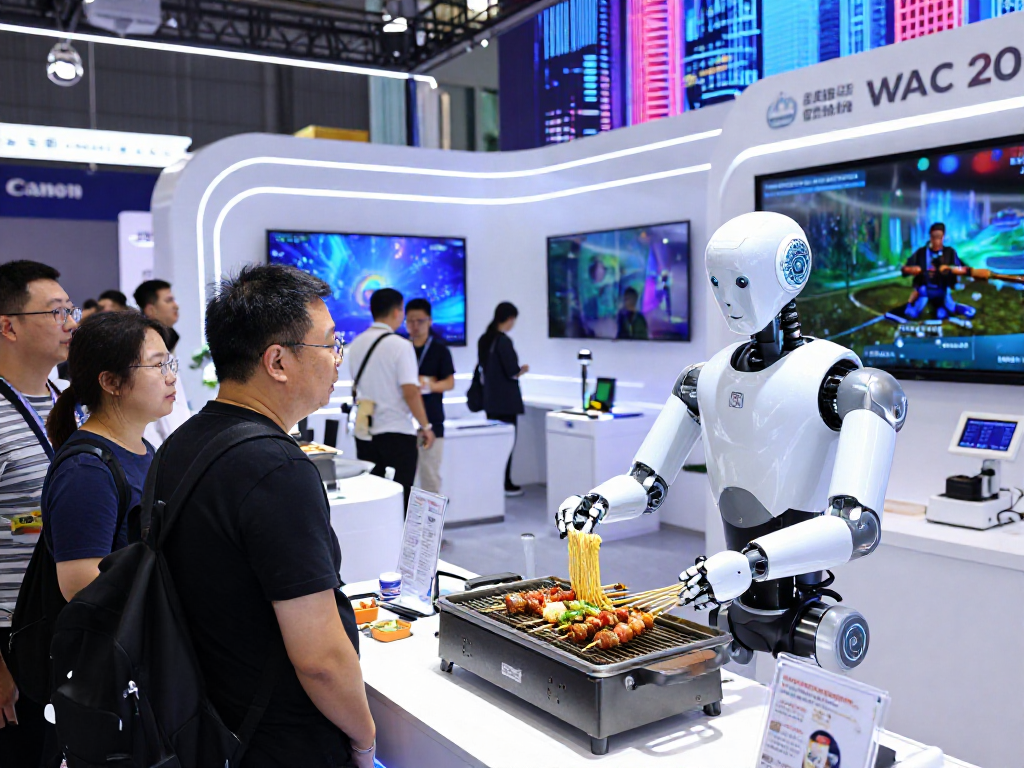
Several establishments are already embracing robot chefs in their kitchens. For instance, in a recent demonstration at the WAIC 2026, a humanoid robot showcased its ability to prepare popular street foods, dramatically reducing cooking time while maintaining flavor integrity. Another example is the introduction of the Coherence Guard technology by Palm Garden, designed to enable robots to interact more naturally with humans, ensuring a comfortable dining experience. These real-world applications highlight the growing prevalence of AI in culinary settings and its potential to reshape dining experiences.
Exploring Humanoid Robotics at WAIC 2026
The World Artificial Intelligence Conference (WAIC) 2026 served as a pivotal platform for showcasing advancements in humanoid robotics and their applications in various fields, including food services. The exhibition featured several groundbreaking innovations that are set to change the landscape of robotics.
Key Highlights from the Exhibition
Among the standout presentations were the debut of AGIBOT's new models, including the A3 Ultra and G2 Max. These robots are designed for real-world operations, capable of functioning in busy settings like kitchens and restaurants. Additionally, Muks Robotics unveiled its prototype humanoid robot, Spaceo Prime, which is geared towards exploring applications in remote environments, including space missions.
Innovative Technologies Unveiled
At the WAIC 2026, technologies such as the AI-powered robot dog developed by KAIST were introduced, showcasing capabilities like gait switching to navigate rough terrains—an essential feature for outdoor culinary events. This versatility makes robotic solutions adaptable for various kitchen designs and layouts.
Attendee Reactions and Insights
The buzz at WAIC 2026 reflected a collective excitement about the future of humanoid robotics in food service. Attendees expressed admiration for the potential of these robots to not only enhance operational efficiency but also engage customers in new ways, transforming the dining experience into something more dynamic and interactive.
The Role of AI in Food Preparation
AI technology is integral to enhancing food preparation processes. By automating routine tasks, restaurants can focus on creativity and innovation in their culinary offerings. Furthermore, AI helps maintain consistency in food quality, which is paramount in customer satisfaction and brand loyalty.
Enhancing Efficiency and Safety
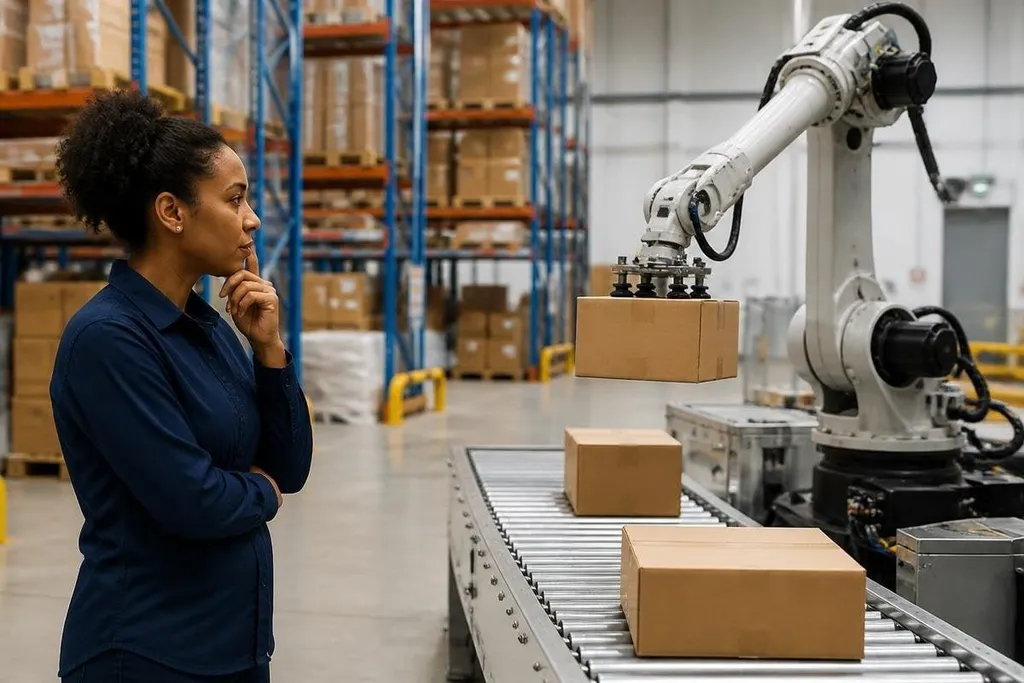
The implementation of robotics in food preparation significantly boosts efficiency. Robots operate without fatigue, enabling continuous operation without the risk of accidents that can occur in busy kitchens. This not only increases productivity but also enhances workplace safety by taking over hazardous tasks.
AI Algorithms in Cooking Processes
AI algorithms play a crucial role in optimizing cooking processes. They can determine the precise timing and sequence of various cooking techniques, ensuring that each component of a dish is cooked to perfection. Additionally, AI can monitor equipment performance, predicting maintenance needs before breakdowns occur—thus further reducing downtime.
Challenges and Solutions in Robotics Integration
Despite the numerous benefits, integrating robotics into kitchens isn't without its challenges. Issues such as high initial investment costs and the requirement for staff training on new systems can be daunting. However, companies like Holiday Robotics are addressing these challenges through strategic fundraising, ensuring their robots are ready for mass manufacturing and deployment in food services.
Future Trends in Robotics and AI for Food Services
As the culinary landscape evolves, so too does the role of robotics and AI within it. Experts predict that by 2026 and beyond, we will see a significant increase in the presence of robots in dining establishments, fundamentally changing how food is prepared and served.
Expectations for 2026 and Beyond
Looking ahead, industry analysts expect that advancements in AI will lead to more intuitive robot designs capable of learning from human chefs. This synergy between human creativity and robotic efficiency promises to push the boundaries of culinary art.
How Industry Leaders Are Adapting
Leading companies in the food service industry are already strategizing to incorporate AI and robotics into their operations. Collaboration between tech startups and established culinary institutions is paving the way for innovative solutions that blend traditional culinary techniques with cutting-edge technology.
Potential Impact on Employment and Skills
While the rise of robots in food preparation may spark concerns about job displacement, it also presents opportunities for new job roles focusing on robot management and culinary innovation. As robots take on repetitive tasks, human chefs can concentrate on developing unique recipes and enhancing customer experiences.
Conclusion: Embracing the Future of Food Production
As we summarize the benefits of robotics in the culinary field, it becomes clear that automation will play a central role in the future of food production. From increased efficiency to enhanced safety and quality, the advantages are compelling and transformative.
Summarizing Benefits of Robotics in Cuisine
The integration of robotics in cuisine is not merely a trend; it represents a profound shift towards a more efficient and innovative food service industry. With the ability to perform complex cooking tasks consistently, robots augment the capabilities of human chefs while ensuring a high standard of food quality.
Encouraging Adoption in Various Settings
To fully realize the potential of robotics in food services, industry stakeholders must encourage adoption in diverse settings—from high-end restaurants to casual dining venues. By fostering an environment of collaboration between technology and culinary artistry, the industry can thrive.
FAQ: What’s Next for Robot 24 Technologies?
As the field of robotics continues to advance rapidly, Robot 24 will remain at the forefront, providing insights and updates on the latest technologies and applications in the industry. The future holds exciting possibilities, and staying informed is essential for those looking to embrace the next wave of culinary innovation.