Understanding Kidepo Valley’s Unique Wildlife
Nestled in the northeastern corner of Uganda, Kidepo Valley National Park is a breathtaking haven for wildlife enthusiasts and adventurers alike. This park, spanning over 1,442 square kilometers, is distinguished not only by its dramatic landscapes of sprawling savannahs, rugged mountains, and hidden valleys but also by its rich biodiversity. As you plan your trip, it’s essential to familiarize yourself with the unique wildlife that inhabits this area. When exploring options, NAGA2000 provides comprehensive insights that will enhance your safari adventure.
Overview of Species in Kidepo Valley
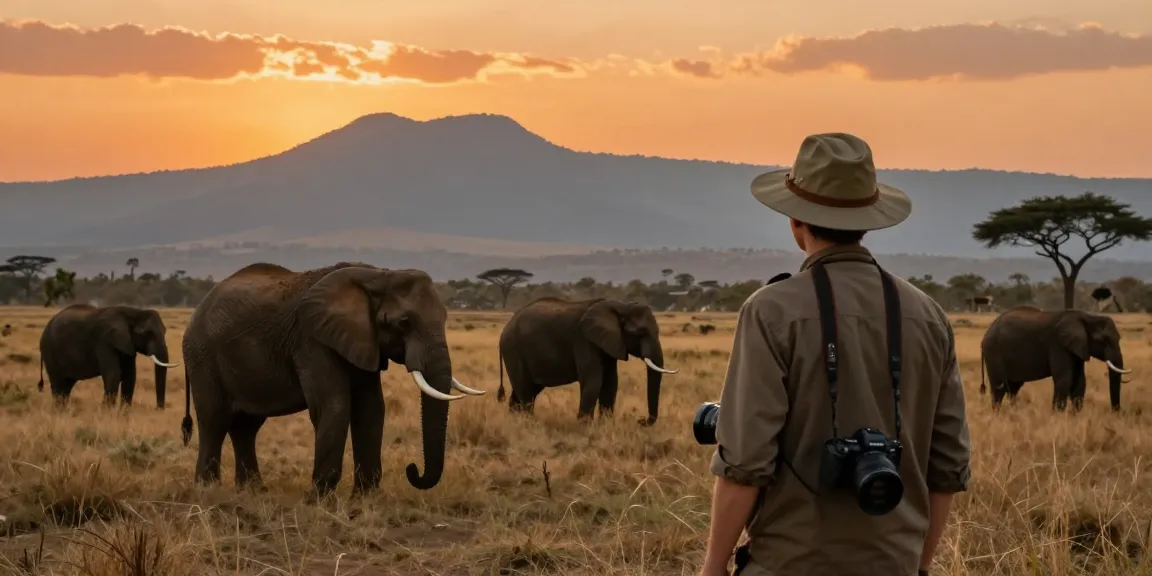
Kidepo Valley is home to more than 77 species of mammals and an impressive array of over 475 bird species, making it one of Uganda’s best wildlife watching destinations. Among the notable inhabitants is the majestic African elephant, which can be spotted wandering the grasslands. Additionally, the park features iconic species such as lions, cheetahs, and the endangered Rothschild’s giraffe. The diversity of wildlife in Kidepo is partly due to its unique geographical location, bordering Sudan to the north and Kenya to the east, which allows for an exciting mix of fauna.
Special Features of the Ecosystem
The ecosystem of Kidepo Valley is notably distinct from other Ugandan national parks, showcasing a combination of open savannah, rugged mountains, and rich valleys. The Narus Valley, in particular, is a hotspot for animal activity, especially during the dry season when wildlife gathers around waterholes. This concentration of animals creates exceptional opportunities for photography and wildlife observation. The vegetation ranges from acacia woodlands to open grasslands, supporting a variety of animal species that thrive in these habitats.
Top Animals to Spot During Your Visit
- Lions: Often seen lounging under acacia trees, the lion prides in Kidepo are a major attraction.
- Elephants: The park’s elephants are known for their large herds, especially near water sources.
- Rothschild’s Giraffe: This endangered species can be observed roaming the plains.
- Cheetahs: Known for their speed, these beautiful cats can often be seen in the early morning hours.
- Buffalo: Large herds can be found grazing in the savanna’s open spaces, particularly in the Narus Valley.
Preparing for Your NAGA2000 Safari Adventure
To make the most of your safari experience at Kidepo Valley, adequate preparation is essential. Thorough planning not only helps you navigate the logistics but also enhances your chances of encountering wildlife. Understanding when to visit, what to pack, and where to stay will significantly influence your adventure.
Best Times to Visit Kidepo Valley
The ideal time to visit Kidepo Valley is during the dry seasons, which occur from June to September and December to February. During these months, wildlife congregates around the few remaining water sources, making it easier to spot various species. The weather is also more favorable for safari activities, allowing for comfortable exploration without the hindrance of heavy rains. If you prefer bird watching, the wet season (March to May) attracts migratory birds, making it a unique opportunity for avian enthusiasts.
Packing Essentials for Safari Travelers
When packing for your safari in Kidepo Valley, be sure to consider the following essentials:
- Clothing: Lightweight, breathable, and neutral-colored clothing is advisable to blend into the environment. Layering is recommended for cooler evenings.
- Footwear: Comfortable and sturdy walking shoes are essential, especially for walking safaris.
- Sun Protection: Don’t forget sunscreen, sunglasses, and a wide-brimmed hat to protect against the sun.
- Camera Equipment: Binoculars and a good camera with a zoom lens are important for capturing wildlife moments.
- Insect Repellent: Protect yourself from bites and discomfort caused by mosquitoes and other insects.
Choosing the Right Accommodation Options
Kidepo Valley National Park offers a variety of accommodation options ranging from luxury lodges to budget campsites. For an authentic experience, consider staying in a tented camp that provides a closer connection to nature. Facilities often include comfortable beds, private bathrooms, and access to guided safari tours. Make your reservations in advance to ensure you find the accommodation that best fits your needs.
Activities to Enjoy in Kidepo Valley National Park
While wildlife viewing is the primary attraction in Kidepo Valley, the park offers a range of activities that enhance the safari experience and offer unique perspectives on the local environment and culture.
Safari Experience: What to Expect
Your safari experience in Kidepo Valley will likely include early morning and late afternoon game drives, which coincide with the best times for animal activity. Guided tours with experienced rangers will provide valuable insights into the behaviors and habitats of the wildlife. Expect to encounter not only large mammals but also smaller, more elusive species during your drives. The vast landscapes provide stunning backdrops for photography, particularly during the golden hours of sunrise and sunset.
Bird Watching and Photography Opportunities
Kidepo Valley is one of Uganda’s premier birding destinations. With over 475 recorded species, bird watchers will find plenty to excite them. Highlights include the beautiful shoebill stork, various species of eagle, and the vibrant African grey parrot. Photography enthusiasts can make use of the diverse landscapes and wildlife interactions to capture stunning images. Consider bringing a high-quality camera with a good lens for wildlife photography.
Exploring Local Culture and Communities
In addition to wildlife activities, a visit to Kidepo Valley provides opportunities to engage with the local culture. The Karamojong people, known for their unique way of life, can be visited through guided cultural tours. These experiences offer insight into their traditions, crafts, and daily activities. Engaging in cultural exchanges not only enriches your safari adventure but also supports sustainable tourism practices.
Travel Logistics: Making Your Journey Smooth
Traveling to Kidepo Valley requires careful planning, especially considering the park’s remote location. Understanding transportation options, route planning, and safety tips will ensure a smooth journey.
Transportation Options to Kidepo Valley
There are two main transportation options to reach Kidepo Valley: flying or driving. For those short on time, a charter flight from Entebbe Airport takes about two hours directly to Kidepo Airstrip. Alternatively, for those seeking a more scenic route, a road trip from Kampala takes approximately 10-12 hours, showcasing the stunning Ugandan countryside along the way. Many travelers prefer this option as it allows for stops at local markets and attractions.
Planning Your Route from Kampala
If you opt for a road trip, the journey can be broken down into manageable segments. The main route typically runs through Gulu and Kitgum, both of which offer intriguing cultural experiences and opportunities to interact with local communities. Make sure your vehicle is well-equipped for the journey, as some stretches may be rough. Hiring a local guide or driver can enhance the experience, providing local insights and knowledge.
Safety Tips for Travelers in Uganda
Safety is a priority when traveling in Uganda. Here are essential tips to keep in mind:
- Travel Insurance: Always have travel insurance that covers medical emergencies and unexpected trip cancellations.
- Stay Informed: Keep updated on local news and travel advisories issued by your government.
- Health Precautions: Get vaccinated for diseases like yellow fever and ensure you have malaria prophylaxis before your trip.
- Respect Local Customs: Familiarize yourself with local customs and norms to avoid misunderstandings.
Making the Most of Your Kidepo Valley Experience
To truly enjoy your adventure in Kidepo Valley, it is essential to personalize your safari itinerary, utilize expert guidance, and reflect on your experiences after your trip. This approach ensures a rewarding and memorable journey.
Personalizing Your Safari Itinerary
Every traveler has unique interests. Whether you’re a wildlife enthusiast, a bird watcher, or someone interested in cultural exchanges, tailoring your itinerary to fit your preferences is key. Consider dedicating specific days to different activities, such as wildlife tracking, cultural visits, and photography excursions. Work with local tour operators to arrange bespoke experiences that cater to your interests and maximize your time in the park.
Utilizing NAGA2000’s Expert Guidance
Working with a trusted guide like NAGA2000 can significantly enhance your safari experience. They offer a wealth of knowledge about the wildlife, their behaviors, and the best viewing spots, ensuring that you don’t miss any highlights of your trip. Their extensive understanding of the park’s ecosystems and local cultures allows you to explore Kidepo Valley’s hidden treasures with confidence.
Sharing Your Experiences and Tips Post-Trip
After your journey, sharing your experiences can inspire others and contribute to the broader travel community. Writing about your trip, sharing photographs, and offering tips on travel forums can provide valuable insights for future travelers. Consider participating in travel blogs or social media groups focusing on Ugandan wildlife and adventure travel.
What are the best months to visit Kidepo Valley?
The best months to visit Kidepo Valley for optimal wildlife viewing and pleasant weather are from June to September and December to February.
How to prepare for a successful safari experience?
Preparation involves researching wildlife patterns, packing essential gear, and understanding local culture and safety measures to ensure a smooth experience.
What wildlife can you expect to see in Kidepo Valley?
Visitors can expect to see iconic species such as elephants, lions, Rothschild’s giraffes, cheetahs, and a variety of birds.
What activities are available in Kidepo Valley National Park?
Activities include game drives, bird watching, cultural tours, and walking safaris, providing a diverse range of experiences.
How to travel safely in Uganda?
Travel safely by keeping informed about local conditions, having travel insurance, respecting cultural practices, and taking health precautions.